



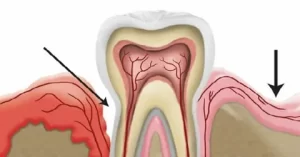
If you’ve been noticing bleeding gums, bad breath that won’t go away, or swelling around your teeth—this blog is for you. Gum problems are far more common than you think, and if you’re from Nayapalli or nearby areas, getting the right gum treatment is easier than ever.
Let’s talk about what gum disease really is, why you shouldn’t ignore it, and what treatment options are available to restore your oral health.
Why Should You Care About Your Gums?
Most people only focus on their teeth when they think of oral hygiene. But gums are equally important. Gums are the foundation that holds your teeth in place. If the gums are unhealthy, even strong teeth can become loose or fall out.
Gum disease is often silent in the beginning. You might not even know you have it until the damage is done. That’s why it’s important to understand the signs early and know when to seek gum treatment in Nayapalli.
What Is Gum Disease?
Gum disease (also known as periodontal disease) is an infection of the tissues that support your teeth. It usually starts with plaque—a sticky film of bacteria that builds up on teeth.
There are two main stages:
-
Gingivitis – the early stage, where gums become red, swollen, and may bleed easily.
-
Periodontitis – a more advanced stage where the gums pull away from the teeth, bone loss occurs, and teeth may loosen.
Good news? Gingivitis is reversible with timely treatment.
Bad news? If left untreated, it progresses to periodontitis, which is permanent and may need more intensive care.
Signs You May Need Gum Treatment
Here are common symptoms that shouldn’t be ignored:
-
Bleeding while brushing or flossing
-
Persistent bad breath
-
Red, swollen, or tender gums
-
Gums pulling away from teeth
-
Pus between teeth and gums
-
Loose teeth
-
Pain while chewing
If you have any of these symptoms, it’s time to book an appointment for gum treatment
What Causes Gum Problems?
There are several contributing factors:
-
Poor oral hygiene
-
Smoking or tobacco use
-
Hormonal changes (like during pregnancy)
-
Diabetes and other systemic diseases
-
Stress
-
Genetics
-
Certain medications
Even if you brush and floss regularly, these other factors can still lead to gum issues.
What Are the Gum Treatment Options?
Let’s dive into the available treatment options you’ll typically find in dental clinic:
1. Professional Dental Cleaning
This is usually the first step if you’re in the early stage (gingivitis). The dentist removes plaque and tartar buildup through scaling and polishing. If your gums are just mildly inflamed, this treatment can bring things back to normal quickly.
2. Scaling and Root Planing (Deep Cleaning)
For more advanced cases, a deep cleaning is needed. This involves:
-
Scaling – removing plaque and tartar from above and below the gum line.
-
Root Planing – smoothing the tooth roots so gums can reattach to the teeth.
This treatment is usually done under local anesthesia. It might take one or more visits, depending on the severity of the disease.
3. Antibiotic Therapy
Sometimes, topical or oral antibiotics are prescribed to kill bacteria and reduce inflammation. These are often used along with deep cleaning.
4. Gum Surgery (Flap Surgery)
If the infection is too deep, surgical procedures might be required. The gums are lifted, the deep tartar is cleaned, and then the gum is sutured back. Healing usually takes a week or two.
5. Bone or Tissue Grafts
In advanced periodontitis, where bone or gum loss has occurred, grafting may be needed. These procedures regenerate lost bone or soft tissue.
The good news? Most dental clinics offering gum treatment are now equipped with modern, painless methods to manage gum diseases effectively.
Is Gum Treatment Painful?
Many patients worry about pain. The truth is, gum treatment is not painful, especially when done under local anesthesia. Deep cleaning might cause slight discomfort afterward, but it’s manageable with over-the-counter painkillers or as prescribed by your dentist.
Most importantly, the discomfort of treatment is far better than the long-term damage of untreated gum disease.
How Long Does Gum Treatment Take?
It depends on the condition of your gums. A basic cleaning can be done in a single visit. Deep cleaning might take 1-2 sessions. If surgery is required, a few weeks of follow-up may be needed.
Consistency is key. Follow-up care, regular cleanings, and maintaining oral hygiene are essential after your treatment.
Tips to Maintain Healthy Gums After Treatment
Here’s how to keep your gums healthy:
-
Brush twice a day with fluoride toothpaste
-
Floss daily to remove plaque between teeth
-
Use an antibacterial mouthwash
-
Quit smoking and tobacco
-
Stay hydrated
-
Visit your dentist every 6 months for cleanings
-
Manage medical conditions like diabetes properly
Why Choose a Dental Clinic for Gum Treatment?
Here are a few reasons why getting gum care from a local dental clinic is a smart choice:
-
Accessibility: It’s easier to keep follow-up appointments
-
Personalised care: Local dentists often offer more personalised, community-based services
-
Cost-effective: You save on travel and get affordable packages
-
Trust factor: You’re more likely to get recommendations from friends and neighbours
Before choosing a clinic, make sure it has experienced periodontists, uses advanced equipment, and follows strict hygiene protocols.
FAQs on Gum Treatment
Q. How do I know if I need gum treatment?
If your gums are bleeding, swollen, or receding—or you have persistent bad breath—it’s time to see a dentist. These are classic signs of gum disease. A dental exam will confirm if you need treatment and what type is right for you.
Q. Can gum disease be cured permanently?
Gingivitis, the early stage of gum disease, is completely reversible with timely care. Periodontitis can’t be “cured” fully, but it can be controlled and managed with consistent dental treatment and good oral hygiene practices.
Q. How much does gum treatment cost in Nayapalli?
The cost varies based on the treatment type. Basic cleanings are usually affordable, while deep cleaning or surgery might cost more. Most dental clinics offer consultation packages, and many also accept insurance options for more complex procedures.
Q. Are home remedies enough for treating gum problems?
Home remedies like saltwater rinses or turmeric paste can soothe gums, but they are not a substitute for professional care. Once tartar forms under your gum line, only a dentist can remove it. Home care supports recovery, but it can’t replace clinical treatment.
Q. How often should I get my gums checked?
Ideally, twice a year is recommended. But if you’re prone to gum issues or have existing health conditions like diabetes, your dentist may recommend more frequent visits—like every 3–4 months.
