



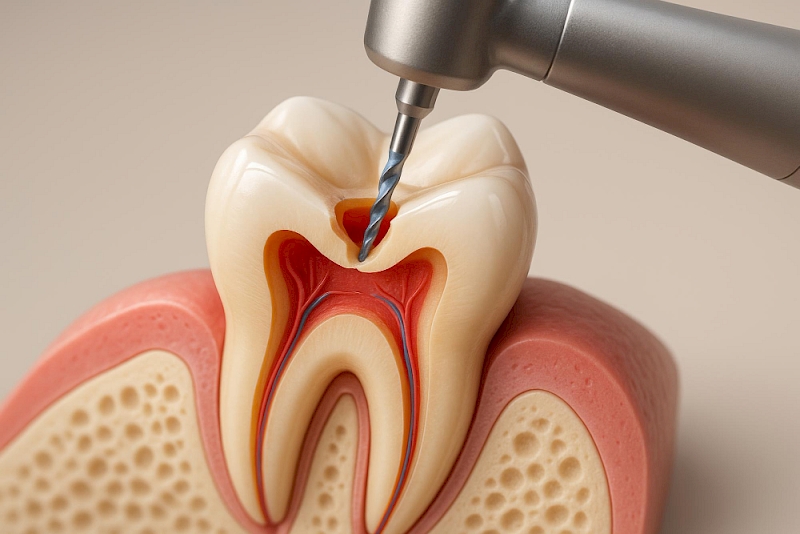
Most of us have heard the phrase “root canal” and immediately felt a wave of anxiety. But here is the thing – root canal treatment is not the scary procedure it is made out to be. In fact, it is often the very thing that takes your pain away. Think of it like fixing a leaking pipe inside a wall. The work happens deep inside, but once it is done, the whole structure feels stable again. If you have been dealing with nagging tooth pain or unusual sensitivity, your body might be sending you signals that something needs attention. This article walks you through the most common signs that you may need root canal treatment, explained in plain, simple terms.
What Exactly Is a Root Canal Treatment?
Before jumping into the warning signs, it helps to understand what root canal treatment actually involves. Each tooth has a soft inner layer called the pulp, which contains nerves and blood vessels. When this pulp gets infected or damaged – usually due to deep decay, a crack, or repeated dental work – it needs to be removed to save the tooth.
Root canal treatment cleans out this infected pulp, disinfects the inside of the tooth, and seals it so bacteria cannot return. The tooth remains in place, looks normal, and functions just like before. It is a common procedure performed by dentists every day across India.
Persistent or Severe Tooth Pain
Pain is one of the most obvious signals your body sends when something is wrong. With tooth infections, the pain tends to be different from a regular toothache.
Pain That Lingers After Eating or Drinking
If you eat something hot or cold and the pain sticks around for more than a few seconds – sometimes even minutes – that is a sign the nerve inside your tooth may be affected. A healthy tooth reacts briefly and then settles down. A tooth with a damaged pulp keeps aching long after the trigger is gone.
Deep, Throbbing Pain
A dull, continuous throb that feels like it comes from deep inside the jaw or even radiates toward your ear or temple is worth taking seriously. This kind of pain often points to infection that has travelled beyond just the surface of the tooth.
Sensitivity That Does Not Go Away
Sensitivity to hot and cold foods is common, but there is a difference between normal sensitivity and the kind that signals deeper trouble. If you wince every time you sip your morning chai and that discomfort lingers well after the cup is down, your pulp may be inflamed or dying.
Similarly, sensitivity to sweet foods or even mild pressure while biting can indicate that the nerve is irritated. When over-the-counter sensitivity toothpastes provide no relief after a couple of weeks, it is a good idea to visit a dentist rather than wait it out.
Visible Changes in the Tooth or Gum
Sometimes the signs are things you can actually see, not just feel.
Darkening of the Tooth
A tooth that begins to look grey, yellow-brown, or noticeably darker than its neighbours might have a dying or dead pulp inside. The discolouration happens because the internal tissue is breaking down. This is not merely a cosmetic issue – it usually means the infection is progressing.
Swelling or a Pimple on the Gum
A small bump or pimple-like swelling on the gum near a painful tooth is called a dental abscess or fistula. It is the body’s way of trying to drain the infection. This is a clear sign that bacteria have been busy and that professional treatment is needed without delay. You might also notice the gum area feels tender or puffy even without pressing on it.
A Chipped or Cracked Tooth
A crack or chip does not always hurt immediately, but it creates a direct pathway for bacteria to reach the pulp. If you have recently broken a tooth – even slightly – and are now experiencing sensitivity or pain in that area, get it evaluated quickly before the infection sets in deeper.
Pain When Touching or Biting
If pressing lightly on a tooth or simply biting down feels painful or uncomfortable, it could indicate that the infection has spread to the tissues around the root. This is a stage where the problem has gone beyond the tooth itself and is beginning to affect the surrounding bone and ligament.
This kind of pain is especially worth noting when it is isolated to one specific tooth and feels distinctly different from general gum soreness.
People seeking RCT in Nallagandla often describe this exact symptom as the moment they finally decided to book an appointment.
When Should You Actually See a Dentist?
The honest answer is: sooner rather than later. Dental infections do not resolve on their own. Unlike a cold that your immune system can fight off, an infected tooth pulp is sealed inside a hard structure where your immune response cannot fully reach. The infection tends to worsen over time, spreading to the jaw, neck, or other teeth if left untreated.
Many people delay dental visits out of fear, cost concerns, or hoping the pain will pass. But catching the problem early means simpler treatment, less discomfort, and lower costs. Affordable RCT in Nallagandla is more accessible than most people assume, and a timely consultation can genuinely save a tooth that might otherwise need extraction.
Not every toothache requires a root canal. Sometimes the issue is a cavity, gum problem, or a cracked filling. Only a dentist can determine the right course of action through examination and X-rays. The goal here is simply to encourage you not to dismiss warning signs or self-diagnose indefinitely.
Conclusion
Your teeth are remarkably good at signalling when something is wrong – persistent pain, lingering sensitivity, darkened enamel, gum swelling, or discomfort while biting are all messages worth listening to. Root canal treatment, despite its reputation, is a routine, often painless procedure that saves teeth and relieves suffering. The earlier you act on these signs, the smoother the experience tends to be. If any of the symptoms described here sound familiar, consider scheduling a visit with a qualified dentist.
SmyleXL Dental Clinic in India offers thorough consultations where you can get a clear picture of your dental health and your options going forward.
Frequently Asked Questions
How do I know if my toothache requires a root canal or just a filling?
A filling is typically sufficient for surface-level decay that has not reached the pulp. If your pain is severe, lingers after temperature exposure, or comes with swelling, the pulp may be involved – and a root canal is more likely needed. Only an X-ray and clinical examination can confirm this.
Is root canal treatment very painful?
Modern root canal procedures are performed under local anaesthesia, which means you should feel little to no pain during the treatment itself. Most patients find it comparable to getting a filling. Any soreness after the procedure usually settles within a few days.
Can I delay a root canal if the pain has reduced on its own?
A reduction in pain does not always mean the infection has resolved – it can sometimes mean the nerve has died, which actually makes things worse over time. Delaying treatment allows the infection to spread further, potentially leading to tooth loss or more complex procedures.
How long does a root canal procedure take?
Most root canal treatments are completed in one to two appointments, each lasting roughly sixty to ninety minutes depending on the complexity of the tooth and the extent of infection. Your dentist will give you a clearer timeline after the initial assessment.
What happens if I choose not to get a root canal?
Without treatment, the infection continues to spread. This can result in a dental abscess, damage to surrounding teeth, bone loss in the jaw, and eventually the need to extract the tooth entirely. A root canal is almost always a better outcome than extraction when the goal is to preserve your natural teeth.
